Moving to Ontario brings excitement about new opportunities and experiences, but transportation questions can feel overwhelming. You want reliable mobility without financial strain or complicated processes that slow your settlement progress. The good news? Thousands of newcomers successfully navigate Ontario's automotive landscape every year, and you have more options than you realize.
These frequently asked questions address the real concerns newcomers face when buying their first vehicle in Ontario. Each answer provides actionable information to help you make confident decisions about transportation that supports your new life here.
Can I drive in Ontario with my foreign license?
Yes, Ontario allows you to drive with a valid foreign license for 60 days after establishing residency. This grace period gives you time to organize documentation for obtaining your Ontario license without rushing through the process.
Your foreign license must remain valid throughout this period, and you should carry both your license and immigration documents while driving. Some insurance companies require Ontario licenses for coverage, so check with insurers early to avoid gaps in protection.
After 60 days, you need an Ontario license to drive legally. Plan ahead by gathering required documents and scheduling your licensing appointments within your first month of arrival.
How do I exchange my foreign license for an Ontario one?
Ontario maintains license exchange agreements with many countries, allowing direct conversion without testing. You'll need your original foreign license with certified English or French translation, proof of at least two years driving experience, immigration documentation, proof of Ontario residency, and payment for processing fees.
Visit any DriveTest centre with complete documentation. Processing typically takes 30-45 minutes if you have all required materials. The centre will provide a temporary license while your permanent one arrives by mail within two weeks.
Countries without exchange agreements require you to enter Ontario's graduated licensing system starting with the G1 knowledge test, followed by road testing for G2 and full G licenses.
Will my lack of Canadian credit history prevent me from getting car financing?
No, but it affects your interest rates and terms. Ontario lenders focus exclusively on Canadian credit history, but several programs specifically serve newcomers without established local credit records.
Banks offer newcomer financing packages with higher rates initially but manageable terms for employed immigrants. Credit unions serving specific communities often provide more flexible qualification criteria. Dealership financing through programs like Kia Finance sometimes offers promotional rates for newcomers, particularly when combined with employment verification.
Start building credit immediately upon arrival through newcomer credit cards, reported utility payments, and consistent banking relationships. Even three months of positive payment history improves your financing options significantly.
Should I finance or lease my first vehicle in Ontario?
Your choice depends on your settlement plans and financial priorities. Financing builds equity toward ownership, allows unlimited mileage, and eliminates ongoing monthly payments after completion. This approach suits newcomers planning long-term settlement or those who drive extensively.
Leasing reduces monthly payments by 20-30% compared to financing equivalent vehicles, includes automatic GAP protection, and provides flexibility for upgrading. Lower payments preserve cash flow during your settlement period but don't build equity.
Consider your driving patterns honestly. Lease mileage restrictions typically allow 20,000-24,000 kilometres annually with costly overage charges. If you plan extensive travel or uncertain driving needs, financing provides more flexibility.
How much should I budget for vehicle ownership in Ontario?
Apply the 20% rule: total transportation costs should not exceed 20% of your gross monthly income. This includes vehicle payments, insurance, fuel, and maintenance combined.
Insurance represents your largest ongoing expense after payments. New drivers in Ontario face annual premiums ranging from $2,000-$4,000 depending on location and vehicle choice. Urban areas like Toronto cost significantly more than smaller communities.
Budget $1,500-$2,500 annually for fuel based on average driving patterns, $1,000-$2,000 for maintenance and repairs, and $500-$700 for registration and licensing fees. These amounts vary based on your vehicle choice and driving habits.
What vehicle type best suits newcomers to Ontario?
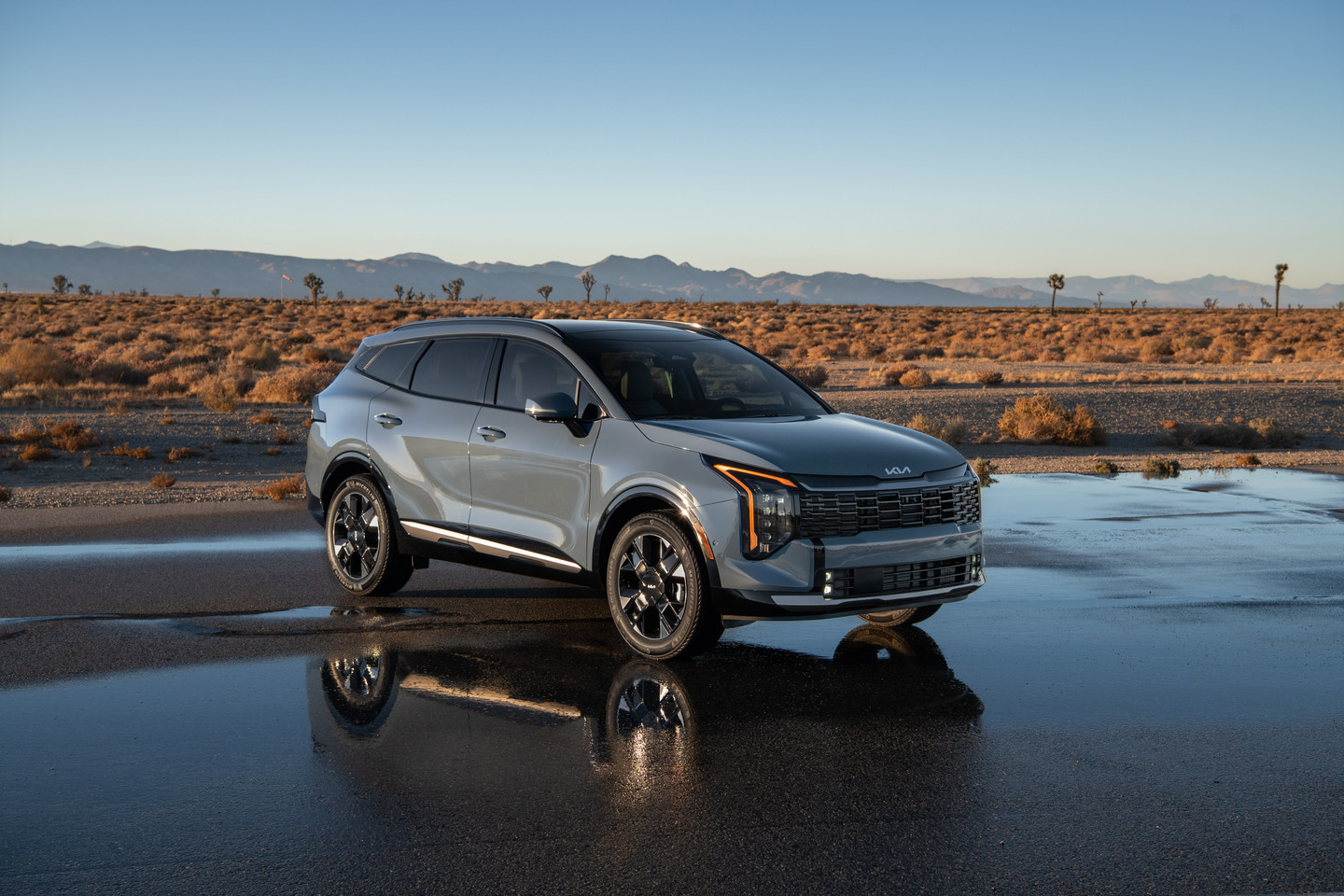
Compact SUVs provide the versatility most newcomers need for Ontario's diverse conditions. These vehicles handle winter weather better than sedans, offer cargo space for moving and shopping, and maintain reasonable fuel economy for daily commuting.
All-wheel drive helps with Ontario's winter conditions but isn't mandatory if you choose quality winter tires and drive cautiously. Front-wheel drive vehicles with proper tires perform adequately for most Ontario driving situations.
Consider certified pre-owned vehicles for your first purchase. These undergo rigorous inspections, include manufacturer warranties, and avoid the steepest depreciation while providing reliability you need during your settlement period.
Do I need winter tires in Ontario?
Ontario doesn't legally require winter tires, but they dramatically improve safety and performance in winter conditions. The province experiences significant snowfall and freezing temperatures from November through March, making winter tires highly advisable.
Many insurance companies offer discounts for winter tire usage, potentially offsetting purchase costs. Plan to install winter tires by November and switch back to all-season tires in April.
Budget $800-$1,200 for a set of four winter tires plus installation costs. Many tire retailers and dealerships offer storage services for your off-season tires, eliminating storage space concerns.
Can I buy a vehicle before getting my Ontario license?
Yes, you can complete vehicle purchases with foreign licenses, but insurance requirements vary by company. Some insurers require Ontario licenses for coverage, creating complications for immediate vehicle use.
Plan your timing carefully. Having your Ontario license before purchasing simplifies insurance applications and ensures you can legally drive your new vehicle immediately after purchase.
If you must purchase before obtaining your Ontario license, arrange insurance beforehand and confirm your foreign license meets the insurer's requirements for immediate coverage.
What financing documents do I need as a newcomer?
Gather employment verification letters stating your position, salary, and start date. Recent pay stubs provide additional income verification, while bank statements demonstrate financial stability and saving patterns.
Your immigration documents prove legal status and residency. Some lenders require specific visa types or permanent residency status, while others work with various immigration statuses.
References from your employer or previous landlords can substitute for limited credit history. Character references don't replace credit scores but support your financing application when local credit history is minimal.
How do Ontario's taxes affect my vehicle purchase?
Ontario applies 13% Harmonized Sales Tax (HST) to all vehicle purchases, significantly impacting your total cost. On a $25,000 vehicle, HST adds $3,250 to your purchase price.
You can finance HST as part of your loan or pay separately at purchase. Financing spreads the tax cost over your loan term but increases total interest payments. Paying separately reduces your financed amount but requires additional cash at purchase.
Registration fees, license plates, and administrative costs add approximately $500-$700 beyond the vehicle price and HST. Factor these mandatory expenses into your budget planning.
Your Next Steps Toward Ontario Vehicle Ownership
These answers provide the foundation for your vehicle purchasing decisions, but individual circumstances vary. Your employment situation, settlement timeline, and transportation needs influence which options work best for your specific situation.
Ready to turn this knowledge into action? Come to Lindsay Kia, where we assist newcomers in navigating Ontario through financing options designed for your individual transition into Canadian life.
To learn more about financing a Kia vehicle, visit Kia.ca